


Key takeaways
- As cat owners, we cherish our beloved companions and never want to imagine them getting lost. Sadly, it does happen.
- To help you understand your furry friend's behavior and prevent such heartbreaking situations, we've compiled this extensive guide.
- We'll explore all the reasons why cats get lost and what you can do to keep them safe.
How do cats get lost: 6 common reasons
We know just how adventurous our furry friends can be. While it's perfectly natural for your beloved cat to roam the great outdoors, it can sometimes lead to them becoming lost.
1. Curiosity and exploration
Cats are naturally inquisitive creatures, always eager to explore their surroundings. This curiosity, however, may lead them to wander too far from home, increasing the risk of getting lost. To help your adventurous feline stay safe while satisfying their curiosity, consider the following tips:
- Provide stimulating toys and activities indoors
- Supervise outdoor excursions
- Create a secure outdoor enclosure or catio
- Microchip your cat for easy identification (learn how to find a microchipped cat)
- Train your cat to respond to a recall cue

2. Unfamiliar surroundings
New environments can be disorienting for cats, making it easier for them to get lost. Situations such as moving to a new home or taking your cat on outdoor excursions can expose them to unfamiliar surroundings. Help your cat adjust to new environments by:
- Gradually introducing them to the new space
- Providing familiar scents and objects
- Encouraging exploration in a controlled manner
- Monitoring your cat's stress levels and adjusting accordingly
- Offering safe hiding spots and perches to observe from
Cats rely heavily on their sense of smell to navigate their environment.

If you're experiencing a situation where your cat went missing after moving house, check out our ultimate checklist to help you find your furry friend.
3. Hunting Instincts
Cats are natural-born hunters with instincts to stalk, pounce, and capture prey. Sometimes, your kitty's hunting drive can lead them to wander too far, increasing the chances of getting lost. To help manage these instincts in domestic cats, consider the following steps:
- Provide interactive toys that mimic prey, like feather wands or motorized mice, to satisfy your cat's hunting urges indoors.
- Incorporate regular play sessions to keep your cat engaged and physically active.
- Offer puzzle feeders or treat-dispensing toys to stimulate your cat's mind and provide an outlet for their hunting instincts.
- Supervise outdoor activities and consider using a leash or a secure outdoor enclosure to ensure your cat doesn't wander too far while exploring.
- Provide perches or climbing furniture to give your cat a vantage point for observing their surroundings.

4. Territorial disputes
Territorial disputes among cats can lead to lost kitties. Unneutered males are particularly prone to this behavior, as they tend to wander further in search of mates and to establish their territory. To help reduce territorial disputes and keep your cats safe, consider these tips:
- Neuter or spay your cat to decrease territorial behavior and the urge to roam. Understand the reasons why neutered male cats go missing and how to prevent it.
- Provide multiple resources (food, water, litter boxes) in separate locations to minimize competition.
- Use feline pheromone diffusers to help create a calm and harmonious environment.
- Introduce new cats slowly and in a controlled manner to avoid territorial conflicts.
- Monitor outdoor time and provide a safe space for your cat to retreat to if they encounter other cats.

5. Escaping perceived dangers
Cats are incredibly sensitive to their surroundings, and they may run away from perceived threats like loud noises or other animals. It's not unusual for a cat to bolt when they feel scared, and they might end up far from home or somewhere they can't find their way back from.
To minimize stressors and create a safe environment for your kitty, consider these suggestions:
- **Provide plenty of hiding spots: **Offer your cat cozy hideaways and high perches where they can retreat to feel safe.
- **Soundproof your home: **Use rugs, curtains, and weatherstripping to help dampen outside noises.
- **Keep them indoors during events like fireworks or thunderstorms: **This will minimize their exposure to loud noises that might cause them to flee.
- Use calming products: There are pheromone diffusers and supplements designed to help cats feel more relaxed in stressful situations.
- **Socialize your cat: **Gradually introduce your cat to new experiences, sounds, and people to help them become more comfortable in a variety of situations.
A cat's stress levels can directly impact their likelihood of getting lost.
6. Getting trapped or stuck
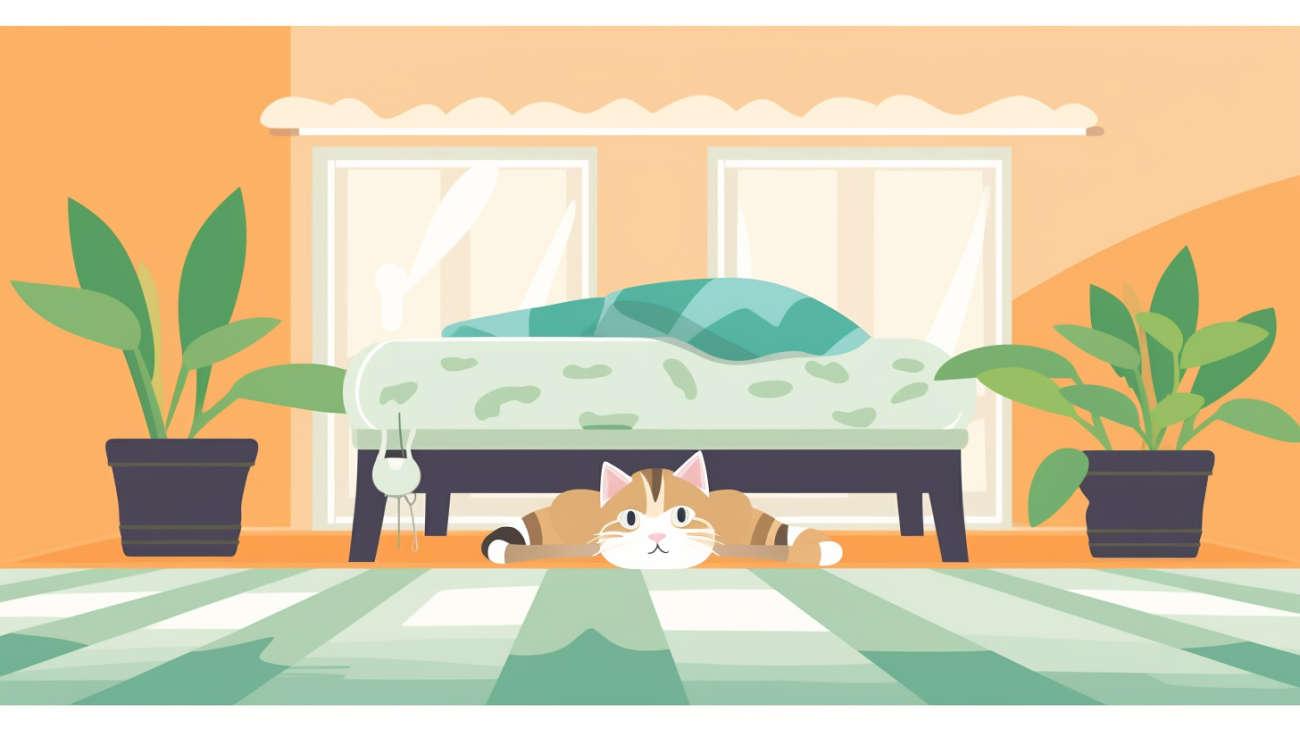
Cats are masters of finding small spaces to hide in, but sometimes their curiosity can lead them into trouble. They might get trapped in a closet, garage, or even a neighbor's shed. Unfortunately, this can result in your cat getting lost, especially if they're unable to find their way back to you.
Here are some steps you can take to cat-proof your home and keep an eye on their hiding spots:
- Regularly check rooms, closets, and outdoor structures to ensure your cat isn't accidentally locked in. If you're having trouble locating your cat in your house, check out our guide.
- Keep doors and windows securely closed, and install screens where necessary.
- Block off any small spaces, such as gaps behind appliances, where your cat might get stuck.
- Use childproof locks on cabinets and doors to keep your cat from getting into off-limits areas.
- Keep a watchful eye on your cat's favorite hiding places and always know where they are before leaving the house.
Understanding cats' senses
While most cats will be able to navigate their way around the great outdoors, there are many reasons why they may find this difficult. It's essential that pet owners understand how their cat's senses work to keep them safe.
The role of a cat's sense of smell
Cats have a powerful sense of smell that plays a vital role in their navigation. However, if a cat's sense of smell is compromised due to environmental factors or illness, they might have trouble finding their way back home. To help your cat rely on their sense of smell, consider the following:
- Leave an item with your scent, like a worn piece of clothing, near the entrance of your home.
- Avoid using strong-smelling cleaning products that might mask familiar scents.
- Keep your cat's nose healthy by providing a clean environment and regular vet check-ups.

How a cat's vision can contribute to getting lost
Cats have different vision capabilities than humans, making it challenging for them to navigate certain environments. To make it easier for your cat to find their way, consider these suggestions:
- Use nightlights to help your cat see in low-light conditions.
- Avoid rearranging furniture frequently, as it might confuse your cat.
- Keep your cat's eyes healthy by providing a clean living space and regular vet visits.
A cat's unique vision can sometimes make navigation difficult, especially in unfamiliar environments.
The influence of a cat's age on getting lost
Cats of different ages face unique risks when it comes to getting lost. Like people, as cats age, their senses will decline. Understanding these risks can help you take appropriate precautions:
- Provide age-appropriate supervision for your cat during outdoor time.
- Ensure your cat's ID tags and microchip information are up to date.

Cats establish and maintain territories as a way to create a sense of security and familiarity.
How a cat's social nature can contribute to getting lost
While cats are often thought of as solitary animals, they do have social behaviors that can lead to them getting lost. For example, a cat might be drawn to another cat's territory, follow a potential mate, or get caught up in social interactions that lead them far from home. To manage your cat's social interactions and keep them safe, consider these tips:
- Neutering or spaying your cat can help reduce roaming behavior and the likelihood of them getting lost due to mating instincts.
- Keep your cat indoors or supervise outdoor time to minimize the chances of them wandering too far from home. Discover why cats go missing and how to prevent it.
- Provide your cat with plenty of social interaction at home to help satisfy their social needs.
- Familiarize yourself with other cats in the neighborhood, so you can better understand your cat's social dynamics and potential risks.
The effects of fireworks and other loud noises on cats getting lost
Loud noises like fireworks or thunderstorms can be downright terrifying for our beloved kitties. These sudden, intense sounds can cause fear and panic, prompting them to flee in search of a safe place to hide. Unfortunately, this instinctive reaction can often lead to them getting lost.
To keep your cat calm and safe during loud events, consider these steps:
- **Create a cozy, quiet refuge: **Set up a secure, quiet space in your home where your cat can retreat during noisy events. Include a comfortable bed, toys, and perhaps some calming pheromones.
- **Play soothing music or white noise: **This can help muffle the loud noises and provide a sense of comfort for your cat.
- Close windows and doors: Keep windows and doors shut to reduce noise levels and prevent your cat from escaping in fear.
- **Stay with your cat: **Your presence can be a great comfort to your cat during stressful times. Offer gentle reassurance and soothing petting to help them feel safe.
- **Use calming aids: **Consider using products designed to reduce stress in cats, such as pheromone diffusers or calming collars.

Loud noises like fireworks or thunderstorms can cause fear and panic in cats, prompting them to flee and potentially get lost.
How stress and anxiety can cause a cat to get lost
A stressed or anxious cat may attempt to escape from the source of their discomfort, leading to them getting lost. Common stressors include changes in the environment, the introduction of new pets or people, or even illness.
To help your cat cope with stress and anxiety, consider these suggestions:
- **Maintain a consistent routine: **Cats thrive on routine and familiarity. Stick to regular feeding times, play sessions, and grooming routines.
- **Offer multiple hiding spots: **Ensure your cat has access to several safe and comfortable hiding spots around your home. If you can't find your cat, read our guide on how to locate your cat's hiding spots.
- **Encourage play and exercise: **Engaging in regular play sessions can help alleviate stress and anxiety in cats, while also providing mental stimulation.
- **Consider calming aids: **Products like pheromone diffusers, calming collars, or even calming treats may help reduce stress in cats.
- **Monitor your cat's health: **Regular veterinary checkups can help identify and address any underlying health issues that may be causing stress. If your cat is sick, it could be more prone to running away.

How to find a lost cat: tips and techniques
When your cat goes missing, it's natural to feel overwhelmed and worried. But don't lose hope! Here are some effective strategies to help you reunite with your furry friend:
- **Search the immediate area: **Start by thoroughly checking your home, yard, and neighborhood. Look in hiding spots like bushes, garages, and under parked cars. Cats often don't venture too far when they're lost, so make sure you cover every nook and cranny. If you're unsure where to look, our guide on where do cats hide outside can help.
- **Create a lost cat flyer: **Design a flyer with a clear photo of your cat, their physical description, and your contact information. Distribute the flyers in your neighborhood, local parks, and pet-related businesses such as veterinarians and pet stores. Our missing cat poster template guide can help you create an effective flyer.
- **Utilize social media and online resources: **Post about your missing cat on social media platforms, local community groups, and lost pet websites. Make sure to include pictures, descriptions, and the last known location of your cat. Learn more about using Facebook tips for spreading the word.
- **Engage the local community: **Talk to your neighbors, mail carriers, and other community members who might have seen your cat. Provide them with flyers and ask them to keep an eye out for your feline friend.
- **Start a PetRadar search: **Spreading the message is one of the most important steps of finding a lost cat. At PetRadar, we use sponsored posts on social media to target over 4000 of your neighbors and alert them to your missing pet. We'll notify you instantly when a sighting is reported. We've already reunited over 10,000 missing cats with their owners, so you're in good hands.
- **Set up a scent station: **Place your cat's litter box, bedding, and some of your clothing outside your home. The familiar scents can help guide your cat back home. Discover more about the lost cat litter box technique.
- **Use humane cat traps: **Set up a few humane cat traps in your yard or other areas where your cat might be hiding. Be sure to check the traps frequently, and provide food, water, and a comfortable space inside the trap. Get more information on how to trap a lost cat.
- **Consult with animal shelters and veterinarians: **Contact local animal shelters, rescue organizations, and veterinarians to report your missing cat. Provide them with your cat's description and a copy of the lost cat flyer. Follow our essential guide and checklist for reporting a missing cat.

FAQs
Conclusion
In this article, we've delved into the various reasons behind how our beloved cats can get lost, such as curiosity, unfamiliar surroundings, and their innate instincts.
As pet parents, it's crucial that we understand our cats' behaviors and take proactive measures to ensure their safety and well-being.
By being attentive and empathetic, we can create a loving and secure environment for our feline friends, ultimately minimizing the risk of losing them.
Prevention is always better than cure. Keep a watchful eye on your cat and take measures to ensure their safety. In the unfortunate event that they do get lost, don't lose hope and keep searching.