


Key takeaways
- A dog's sense of smell is incredibly impressive, but it's difficult to know just how far they can smell and what impacts their ability.
- Age, breed, and health can all impact a dog's smell, but what helps them track scents so well?
- We're exploring how dogs smell and what they can smell before looking at different breeds and how your pup can find its way around.
How far can dogs smell?
Different dog breeds have different senses of smell. However, it is widely regarded that most dogs, even pet dogs, can smell something up to 20km away, which is around 12 miles. (source) This is the case in 'perfect conditions,' which usually refers to settled weather conditions.
This is 10,000 to 100,0000 times better than a human's sense of smell!
What makes a dog's sense of smell so strong?
So, what gives them such a great sense of smell? Well, there are a few factors at play here:
- Number of receptors: Receptors are the areas of the nose that can recognize specific smell particles. Dogs have 50 times as many of these receptors as humans, meaning they can pick up on a lot more different smells! (source)
- More surface area: A dog can move more air through their nose, thanks to their shape and larger surface area. This means they can smell more in a smaller amount of time.
- The vomeronasal organ: Dogs have an extra organ that we humans don't. The vomeronasal organ is in the roof of their mouth and is a separate area where they can pick up scents, chemicals, and pheromones. (source)
Different dog breeds have different senses of smell. However, it is widely regarded that most dogs, even pet dogs, can smell something up to 20km away, which is around 12 miles.

What can dogs smell?
This sense of smell means dogs are incredibly useful and valuable animals in a lot of different industries. For example, they can smell:
- Drugs: Dogs have joined the police force and security organizations as they are able to detect drugs very accurately. This is why you will often see sniffer dogs at airports and big events.
- Explosives: The army has official canines whose job is to sniff out explosives to keep the troops safe on the ground.
- Cancer: Certain types of cancer produce a specific and subtle smell that humans cannot pick up on, but dogs can and have been trained in hospitals to help diagnose patients.
- Diabetes: The changes in blood sugar produce a smell that dogs can pick up on, so they have been used to alert their owners if they are about to have hyperglycemic or hypoglycemic episodes.
- Seizures: Just before someone has a seizure, they secrete a specific smell that only dogs can smell, meaning service dogs are able to get help before their owners experience one.

Dog breeds with the best and worst sense of smell
Some dog breeds will struggle to smell this far because of the shape of their nose. For example, dogs with squat noses, like French Bulldogs or Pugs, won't be able to smell as far. (source)
There are some dogs that have a naturally heightened ability to smell things and are the breeds that are often used as service dogs. They include:
- Bloodhounds: This dog breed is considered the dog with the best sense of smell, along with Basset hounds. After just a sniff of something an object has touched, they can track that object down miles away. This is partly due to the wrinkled skin around their nose that can trap scent particles. (source)
- Beagles: Beagles have an impressive 225 million scent receptors in their nose, which, for their size, is a huge number. This means that they can store scents rather than lose them as they exhale, making them popular hunting dogs.
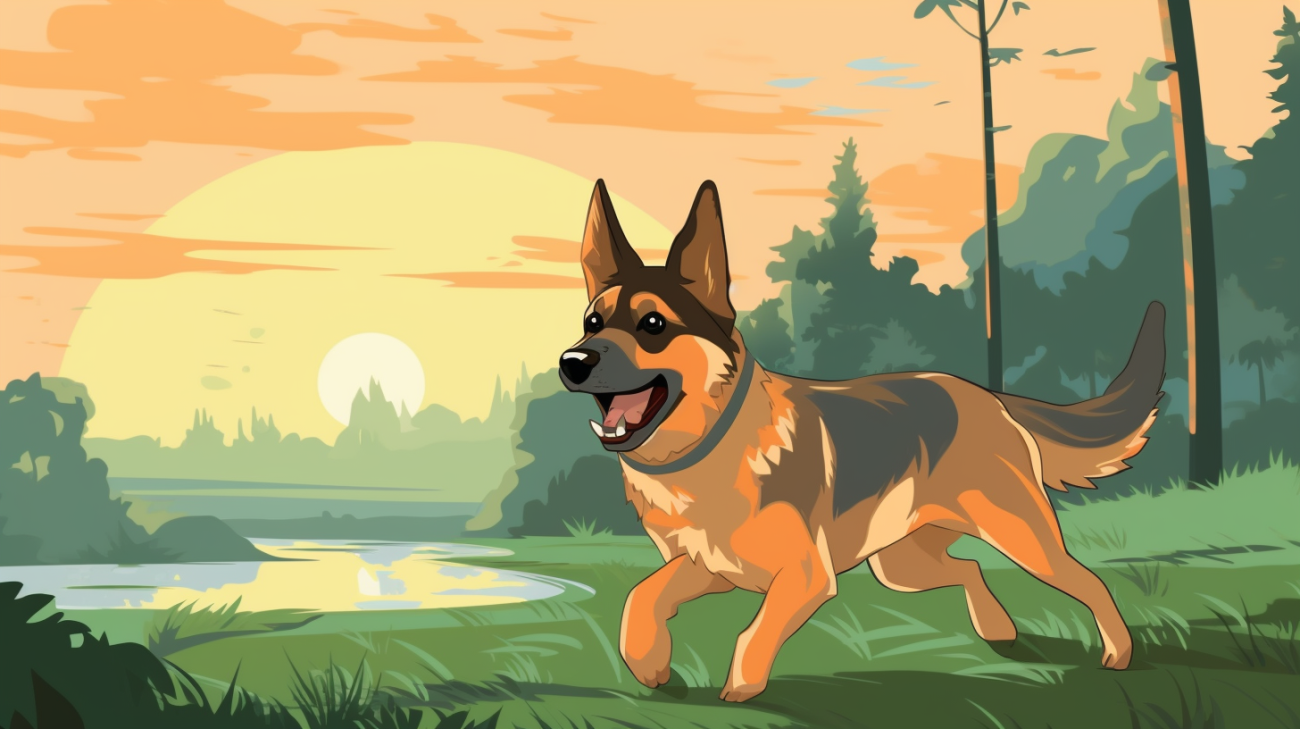
- German Shepherds: With the same amount of receptors as a Beagle, these dogs are commonly used to detect bombs and explosives, as well as finding missing people.
How dogs find their way home
This amazing sense also contributes to a dog's natural homing abilities. Dogs can find their way around new environments very easily and navigate their way back home from far away by tapping into their keen sense of smell.
However, there are other powerful senses at play here, too!
Hearing
Dogs hear sound frequencies a lot higher than humans, which means their hearing is a lot more accurate. It also means that they can pick up on sounds a lot further away, differentiate them, and figure out their specific location.
This excellent hearing means dogs can understand their environment. For example, if they heard your familiar vocal pattern, as their owner, they'd be able to follow the sound back to their home.

Earth's electromagnetic field
While it's not technically considered a sense, dogs are sensitive to the Earth's electromagnetic field. This means they have an almost intrinsic sense of direction, as they use the X and Y axis to orientate themselves.
Studies have found that dogs will find new and quicker routes home than the ones they took by detecting the electromagnetic field. This is why, even if a dog is lost in a new environment, there is still hope for them to return home!
FAQs
Final thoughts
While we may think our pets are a little dopey and cuddly, their ability to detect scents from far away means that they are invaluable to many different industries. From cadaver dogs to drug dogs, we rely on the canine nose for a lot!
If you'd like to learn more about your furry friends and how to be the best dog owner you can, head over to our blog where you'll find countless articles full of interesting insights and fascinating facts.