Key takeaways
- There are 5 main steps to take to improve your chances of finding your missing bird.
- These include telling your neighbors, using social media, leaving their cage outside, physically searching for them, and reporting them missing.
- We explore each step in detail to ensure you have the best chance of finding your bird before taking a look at the most common reasons why parrots fly away from their owners.
5 Steps to find a lost bird
If your parrot flies away, you can be left feeling hopeless. After all, they're an animal that evolved to fly long distances. However, a lost parrot can be recovered.
1. Tell your neighbors
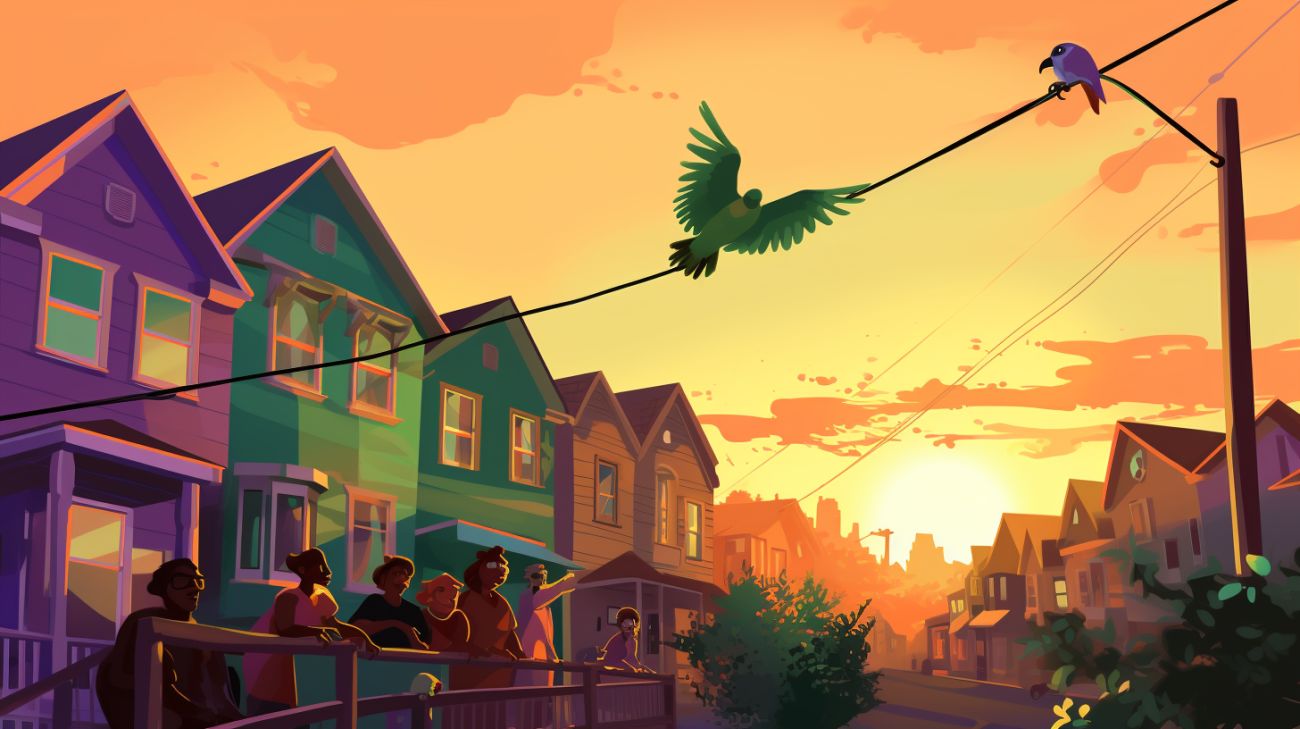
A lost parrot is usually quite easy to spot. But they may have flown quite a distance exploring, so it's worth spreading the message to as many neighbors as possible so they can also keep an eye out.
You can do this going door to door, but if you want to reach thousands of people quickly, then start a PetRadar search. We use social media advertisements to notify over 4000 people in your area about your missing pet.
All you need to do is select the radius of your search area. Then, we'll create digital missing pet posters and distribute them as sponsored posts on Facebook and Instagram.
This means when your neighbors are scrolling through their feeds, a post about your missing parrot will pop up. From here, they can report a sighting, send it to a friend, or save it for later.
By keeping an eye on the sightings, you can better understand the location of your bird.
2. Use social media
While you can tap into the power of social media ads with PetRadar, you can also join local WhatsApp and Facebook groups set up to help communities communicate.
These can be a great way to provide lots of information to lots of relevant people. In your posts, make sure you include:
- Images: Include a few images from different angles. Make sure they show memorable features or markings of your parrot so they are recognizable.
- Additional information: A description of your bird and their temperament will help your neighbors know where to look.
- A reward: It's completely optional to offer a reward for the return of your parrot. However, it can be a good motivator for people to get out and start searching.
3. Leave their cage outside
Parrots have natural homing abilities, and as long as they haven't flown too far and become lost, they'll be able to navigate their way back to you.
To help attract them and capture them when they do return, leave their cage outside. Be sure to include food and water, as they'll likely struggle to find supplies on their own.
4. Physically search for them
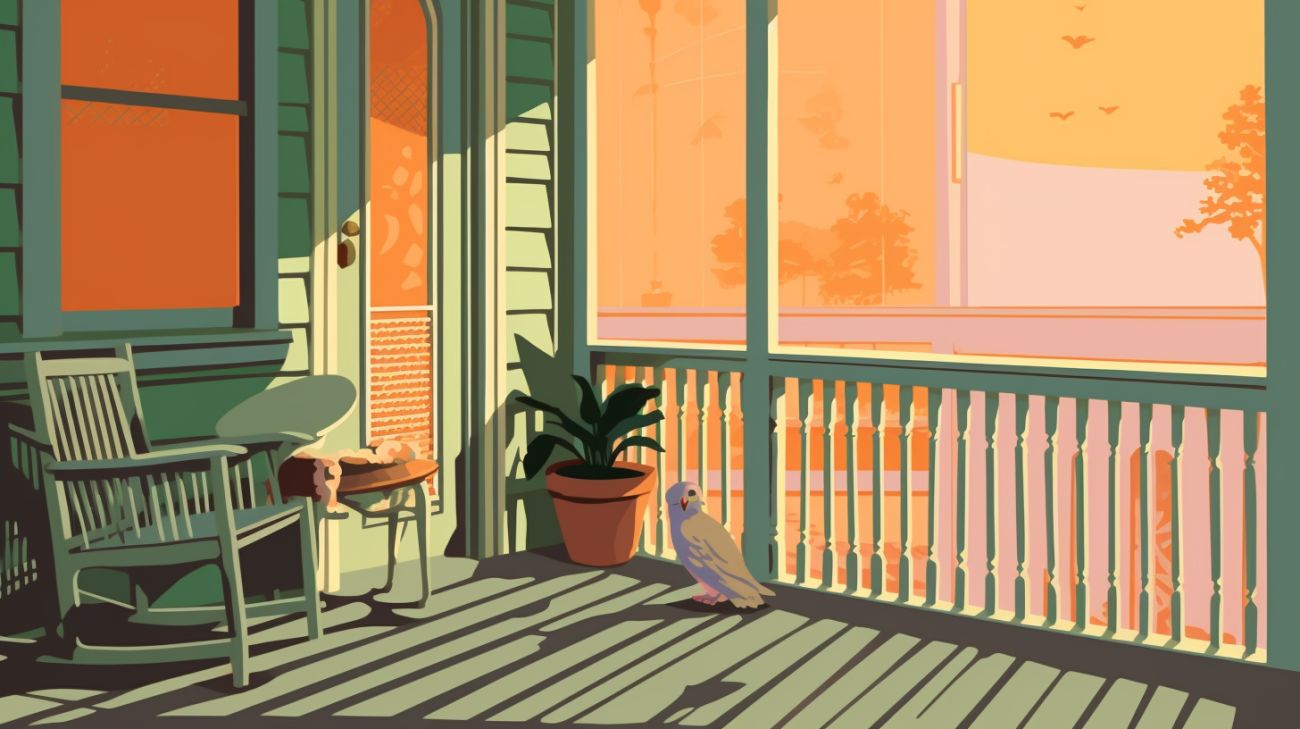
If your bird hasn't returned home, you will need to physically search for them. When a parrot is outside of their comfort zone, they will hide at the highest point possible. This means you need to search anywhere that has high trees or tall buildings, like:
- Parks
- Woods
- Gardens
- Towns
Follow these tips while you search:
- Bring their favorite toys and treats
- Call their name
- If you locate them, don't bring a big group with you. They are more likely to come to you if you are alone
When a parrot is outside of their comfort zone, they will hide at the highest point possible.

5. Report them missing and make missing pet posters
As we mentioned, birds have the ability to fly very long distances. If they are spooked or scared, their 'fight or flight' instinct may be triggered, and they'll flee.
It's unrealistic to search on your own for miles. This is when reporting them missing can be very helpful. The more shelters you call, the more likely you are to receive reported sightings.
Use the following checklist:
- Veterinary practices
- Animal rescue shelters
- Wildlife centers
Making and distributing missing pet posters can help spread the message and encourage people to actively look for your best bud. However, they can be time consuming. So, instead of making your own, just download PetRadar's free, personalized flyer.
Instead of having to provide personal information, like your contact number, we use unique QR codes. This means people can simply scan the code with their phone, and they'll be taken to the listing of your lost parrot on our website. Here, they can report a sighting or leave a comment.
Top 3 reasons why birds fly away
We can feel like terrible owners if our birds fly away from us. However, no matter how well trained your parrot is, there is always a chance they'll want to fly away.
1. Curiosity
Birds are naturally inquisitive creatures because of their intelligence. Their need for mental and physical stimulation means they are often curious. However, if they aren't getting enough attention, they may choose to explore on their own.
To prevent this from happening: Make sure your parrot has specific toys meant for birds. Puzzles and foraging toys will keep your bird entertained for hours!
2. Fear
Like other pets and humans, your parrot can experience fear. When they do, their fight or flight instinct, or 'survival mode' can kick in. This means they will be focused on flying away and finding somewhere isolated and secluded until they feel safe again.
Things that can spark this behavior include:
- Loud noises
- Loud music
- Construction work
- Lots of visitors
To prevent this from happening: Respect your parrot's environment and be considerate of how you act near them. If you are planning on playing loud music or starting construction work, keep them secure in their cage.
3. Neglect
Owning a bird is just like owning a cat or a dog. They need care and attention in order to be happy and healthy. If they are neglected, their fight or flight instinct will be triggered, and they will fly away to find a safer situation. Examples of neglect include:
- Not feeding them enough
- Not cleaning their cage enough
- Not giving them enough love and attention
- Leaving them alone for long periods of time
To prevent this from happening: Set out a specific time every day to check in on your parrot. Ideally, you will be doing this more than once a day, but if you have a schedule, you'll know you'll never forget. During this time, check their cage, food, water, and general wellbeing to make sure they are happy.
FAQs
Final thoughts
No matter what species of bird you own, when they get lost or fly away from the house, it can be heartbreaking. Not knowing whether they'll come back or if they're safe can play on our minds, and we can feel hopeless.
If you're currently looking for a lost bird, start a PetRadar search. We've already reunited {{petsFoundBack}} pets with their families, so you know you're in good hands!