Key takeaways
- Pet wellbeing refers to how happy your pet is, whether they are getting the attention they need or the nutrition they need.
- We explore how to keep your pet happy and healthy and why pet wellbeing is essential.
- We also discuss what makes a good pet owner and suggest ways to improve your furry friend's quality of life.
What is pet wellbeing?
The term 'wellbeing' encompasses a lot of feelings, from happiness and energy to comfort and health. For people, it can also refer to a sense of purpose or satisfaction. So, what does it mean for pets?
In general, it mostly relates to how content our furry friends are. Depending on the type of animal you own, this can include:
- Their happiness
- Their health
- Their boredom levels
The most important element here is happiness. If they are healthy, they are more likely to be happy. If they aren't experiencing hunger or boredom, they are also more likely to be happy.
Why is pet wellbeing important?
Pet wellbeing is just as important as our own wellbeing. We know it's essential to fix an element of our lives that isn't contributing to a happy and healthy life. Well, it's the same for our pets.
By being pet parents, we take on the responsibility of caring for another life. This life is just as sacred and important as any other, so you have to treat it as such.
Without considering your pet's wellbeing, they may suffer. This can lead to:
- Behavioral issues
- Running away
- Health problems

How to keep your pet happy
Pets are relatively easy to keep happy. But sometimes, that means we can become complacent. It's easy to simply stick to your normal routine and assume your pets are happy. However, there is often more we can do.
Nutrition
Not all pet food contains what your furry friend needs, despite what it says on the packet. Every animal is different, and the nutrients they need depend on a few things like:
- Age
- Health
- Whether they have any conditions
It's a good idea to tailor your pet's diet to their needs. For example, if you have a kitten or a puppy, research what they need most to grow strong and healthy and then opt for a food high in that nutrient. Or, if they are older and their joints are becoming stiff, then Omega 3 found in fatty fish can help.
If you don't know where to start, consult your veterinarian. As a baseline, nearly all animals need a good amount of:
- Protein
- Carbohydrates
- Fats
- Minerals
- Vitamins
- Water
So be sure to check the ingredients of the food you are buying. If you are unsure whether your furry friend is getting what they need, look out for these signs in dogs and cats that they may be missing a key nutrient:
- Dull coat
- Lack of energy
- Diarhhear
- Flatulence
- Bad breath
- Bad teeth
- Unusual body weight (under or overweight)
There is increasing interest in more natural products that help our pets stay as healthy as possible. Below are some of the best herbal solutions to consider for your pet:
- Sheep sorrel herb: Helps keep kidneys functional and healthy.
- Blessed thistle herb: Helps keep the liver functional and aids purification of the blood.
- Slippery elm bark: Helps your pet's digestive system.
While scientific research relating to natural products is limited, many vets will recommend these solutions to aid pet wellbeing.
Attention
Like us, our pets need attention. Most of them don't want to live a solitary life and instead enjoy interactions with other animals and people.
Attention when they are young also helps socialize them into being well-adjusted pets that can be trusted around other animals, people, and even children.
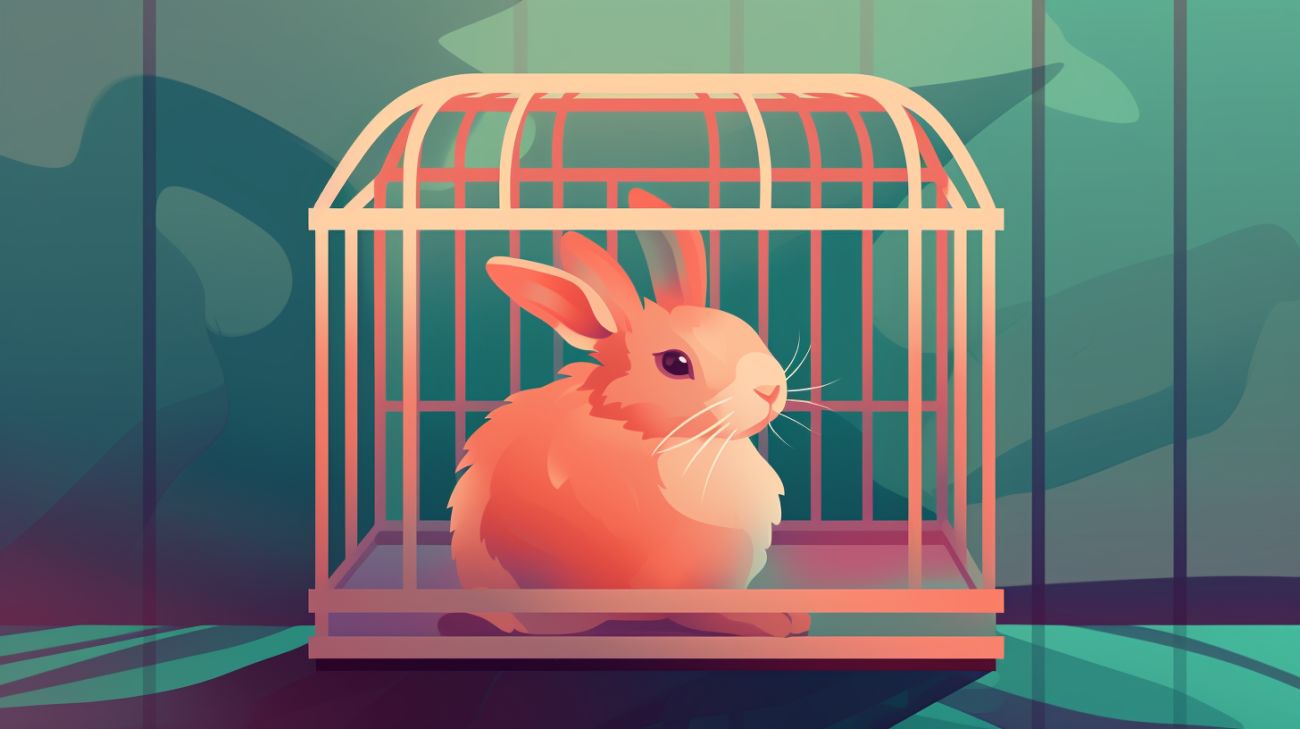
This can be difficult to keep up if you have an animal that lives in a cage. However, it's even more important to make sure they are getting quality time outside of their cage. Try:
- Setting at least one specific time a day to take them out of the cage and spend time with them
- Creating a safe and secure place where they can play outside of their cage
- Talk to them and interact with them when they are in the cage
- Place the cage somewhere that is not completely isolated
Leaving dogs and cats home alone for too long can lead to anxiety disorders and other health issues. If you need to leave home for over 3 hours a day, consider investing in a pet sitter.
You may think this is an expensive option and out of your means. However, there are plenty of people who love animals but can't have a pet and would relish the opportunity to spend some time with your furry friend.
Try:
- Joining programs like 'Borrow my Doggy'
- Posting on local Facebook and WhatsApp groups to see if anyone is available to watch your pet
Stimulation
Animals are incredibly intelligent. Sitting in a cage for the rest of their life is not enough stimulation to keep them engaged and interested and is unlikely to lead to good pet wellbeing.
Dogs enjoy learning new tricks, cats love new toys, and birds love a new puzzle to solve. We often underestimate our pets' intelligence and need for stimulation. A quick walk or a run outside the cage just won't cut it for the rest of their lives.
Although animals love routine, they'll also enjoy a change every now and then!
For dogs, consider:
- New toys
- New trails for walks
- Meeting other dogs
For cats, consider:
- A scratching post
- Installing climbing blocks on the walls
- Interactive toys
We often underestimate our pets' intelligence and need for stimulation. A quick walk or a run outside the cage just won't cut it for the rest of their lives.

What makes a good owner
So we know what our pets need. But do we know what differentiates a good pet owner from an average pet owner?
Just a few years ago, the fact that our pets needed support might have just been laughed off. Their animals, after all. They are bred to survive. However, this isn't the case. Pet wellbeing is most impacted by pet owners, so there is a lot you can do!
Being passionate pet owners
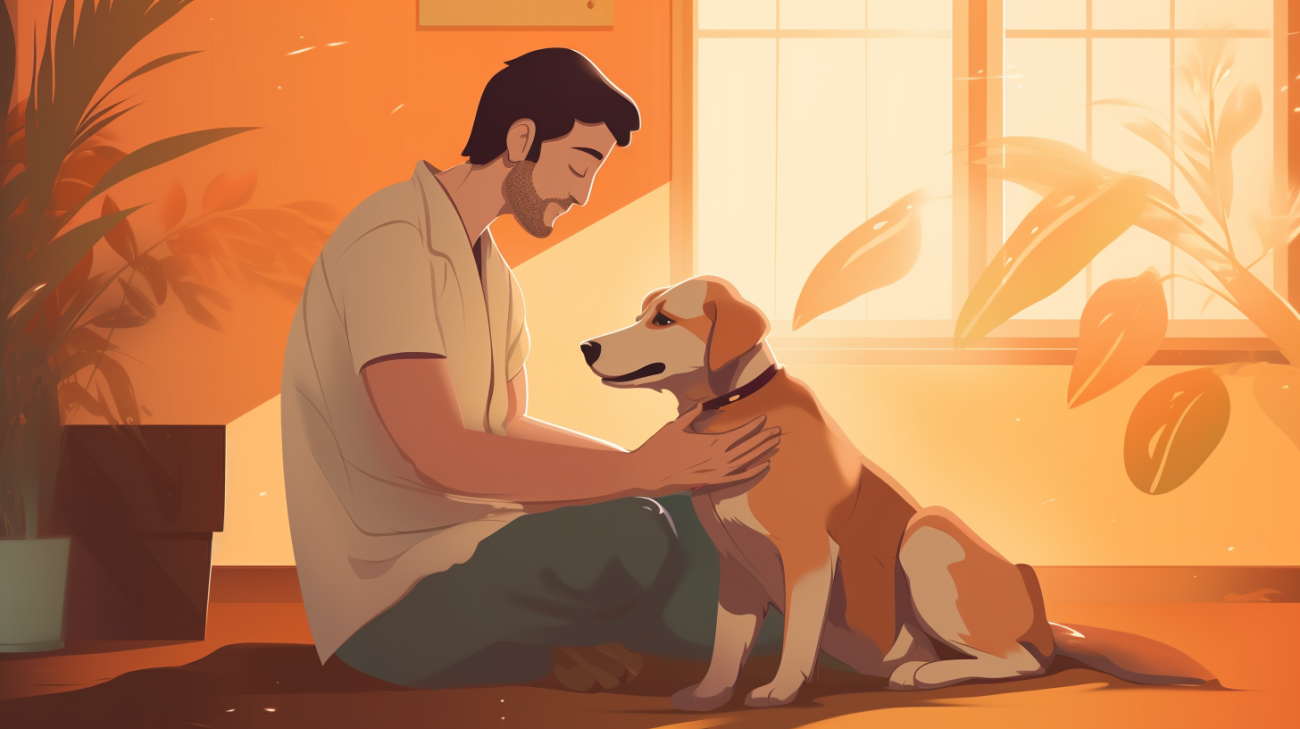
It may sound obvious, but a love for animals is essential if you want to be a good pet owner. Owning a pet isn't all sunshine and rainbows. It can be stressful, frustrating, and scary.
To truly and passionately care for your pet through thick and thin is to be a good pet owner. It's a huge commitment and something that needs to be carefully considered.
Getting professional advice
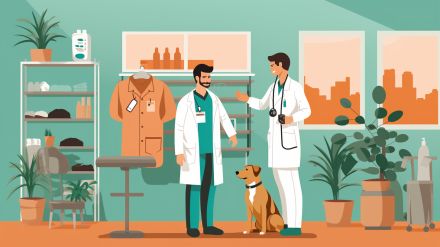
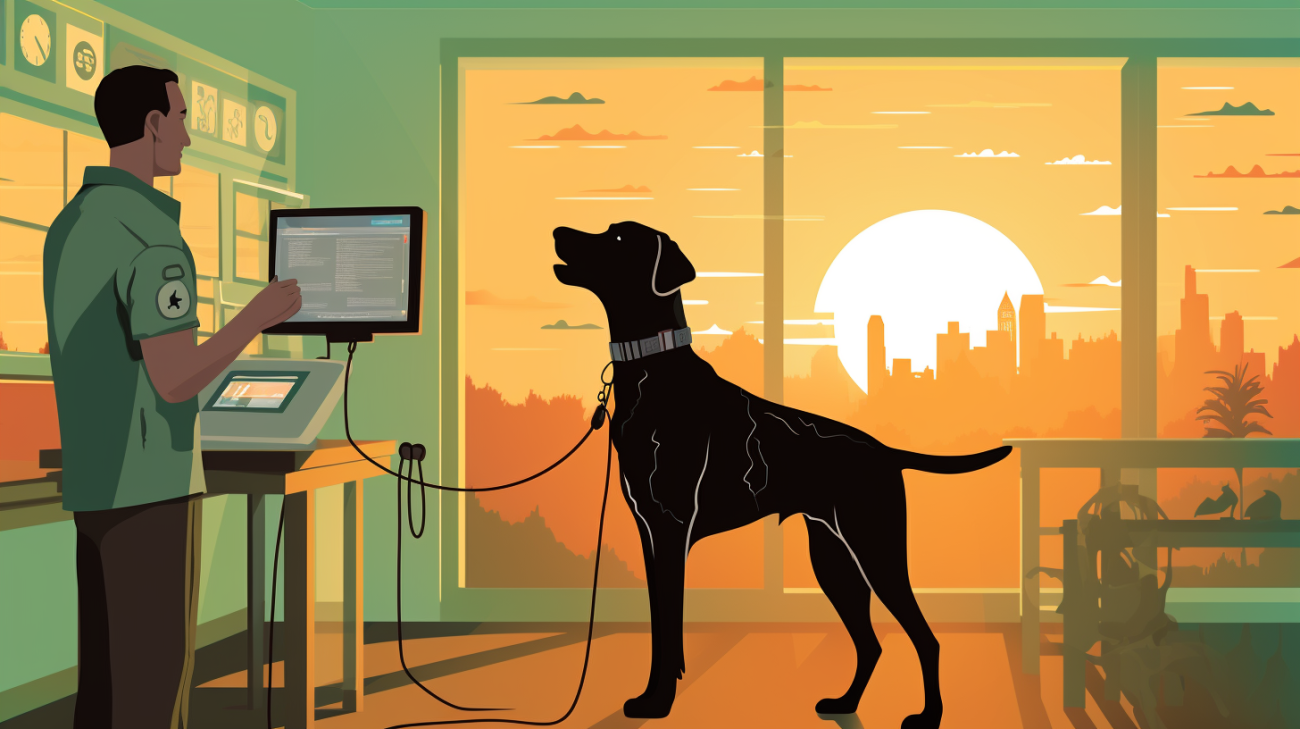
It's not good enough to assume your pet is healthy or that you know best. Googling symptoms and advice is okay when you want to learn more, but if your pet is struggling, you must seek help from a health professional immediately.
If your pet develops an illness that requires regular medication, you may be faced with hundreds if not thousands of dollars worth of bills. To reduce the risk of not being able to afford to look after your furry friend, investing in good pet insurance is a must.
It'll also encourage you to take more trips to the vet when you notice anything out of the ordinary, meaning your pet is more likely to get the help they need as soon as possible.
Being responsible
No matter how much we love animals or feel we need a pet, often our setups and situations don't suit keeping a furry friend. Being responsible is about recognizing when you're ready for a pet and when you're not.
If you travel a lot, don't have enough money to get your pet regularly checked at the vet, or have to leave the house for hours every day for work, owning a pet is not a responsible decision. They won't have the quality of life that they deserve.
Another element of being a responsible pet owner is putting your pet first. While it may seem inconvenient sometimes or require a lot of effort, a good owner will always consider their pet's wellbeing and prioritize it over anything else.
Being responsible is about recognizing when you're ready for a pet and when you're not.
FAQs
Conclusion
Pets live happier, healthier lives when they have caring and responsible owners. It's normal to worry about our furry friends as it can sometimes be difficult to tell whether they're happy or not.
However, if you're prioritizing their happiness, getting them any help and support they need, and ensuring they are getting the exercise and nutrition they need, they should be very content!