


Key takeaways
- The spay surgery is a standard and simple procedure that removes a cat's ovaries and uterus. This means they will no longer be able to get pregnant.
- While some believe this operation is cruel, there is plenty of evidence to suggest otherwise, including a long list of benefits for the cat.
- We explore how to care for your cat after spaying to keep them happy, comfortable, and calm.
Understanding the spay surgery
The spay procedure is an extremely common surgery for female cats that is relatively low risk. In fact, most procedures only take 15 to 20 minutes (source).
A veterinary surgeon will use a general anesthetic and pain relief on your kitty so they will fall into a peaceful sleep before the surgery starts (source).
A small incision will then be made in your cat's abdomen. The surgeon will then remove both ovaries and the whole uterus before stitching the cat's incision site back up. This means your cat can no longer become pregnant.

Is spaying a cat cruel?
While it may sound like a very serious operation and even possibly cruel, spaying is an important aspect of being a responsible owner.
Without neutering your kitty, there is the potential for them to birth hundreds of kittens in a single year (source). This will not only have a negative impact on your cat's health and wellbeing, but will put those kittens at risk of being homeless or neglected.
It's a common belief that neutering can alter the personality or mood of your female cat. However, it actually prevents future behavioral issues and can reduce the chances of uterine and breast cancer (source). Your kitty will be much better off after their spaying, so you don't need to worry whether it's cruel or not!
Average cat's recovery time
Your cat will begin to feel normal again at around 24 hours to 48 hours after surgery. The anesthetic will have worn off, and they'll likely be ready to try some food again.
However, the full recovery period is around 10-14 days after surgery (source). This is because the cat's incision site will take time to heal fully, and it's important it doesn't become infected or inflamed.
Common effects and symptoms to see from the surgery include:
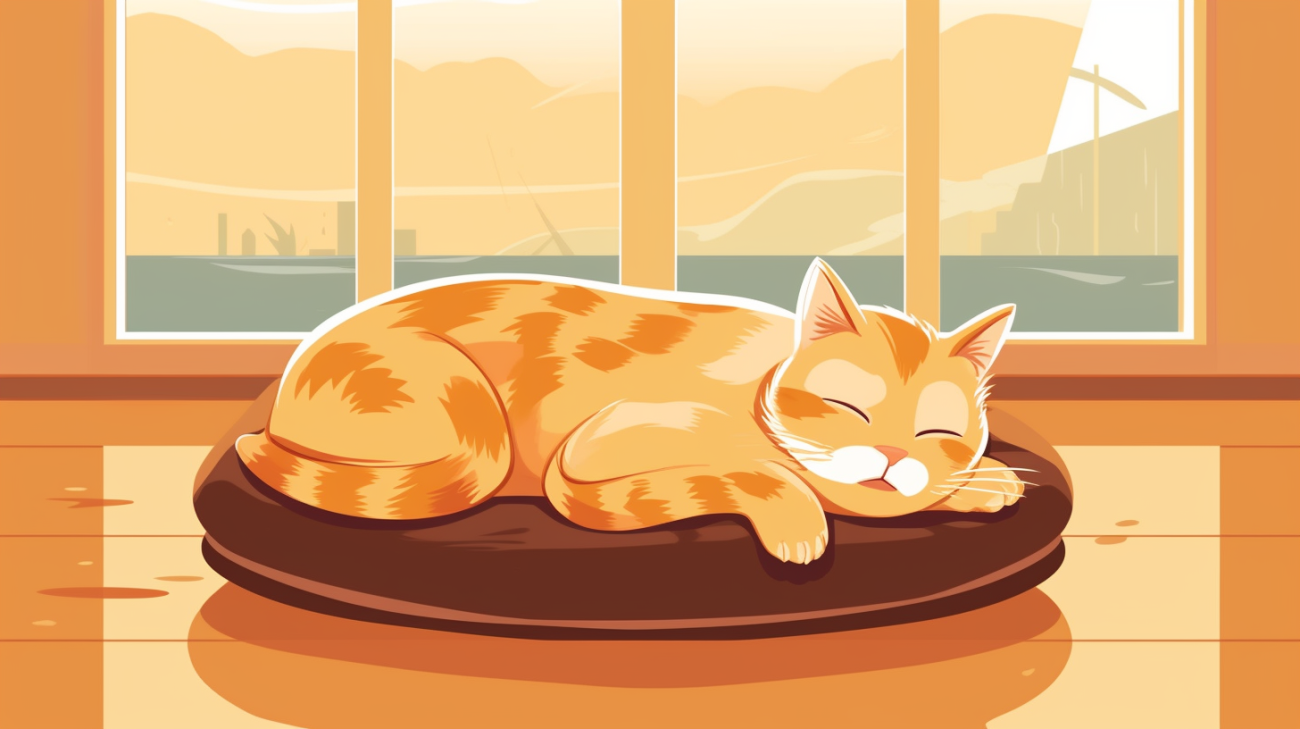
- Sleeping more
- Lethargic
- Eating less
How to care for female cats after spaying
As a pet parent, seeing our cats in pain or distress can be heartbreaking. However, with the right knowledge and post-surgery care, we can minimize the stress our furry friends may feel and keep them happy. Below are some ways you can help your cat recover.
Keep medication consistent
If your vet has advised you to give your kitty pain medications or prescribed antibiotics, then they are essential for your cat to make a full and quick recovery.
However, it is unlikely they will be given anything to take because, straight after the operation, they are given a pain control injection that should last for three days. This is usually enough for our feline friends, whereas dogs often require oral antibiotics or pain medication as well (source).
Follow your veterinarian's instructions closely to avoid prolonging their recovery period. Some pets may need extra pain relief, so make sure you monitor your cat's pain.
Keep your cat calm
It's essential to keep your kitty as calm as possible. A lot of energy or even the zoomies can cause unnecessary stress on the incision site. Try to prevent your cat from:
- Climbing
- Jumping
- Running
Instead, keeping them confined to a comfortable and safe room with a warm, cozy bed should help relax your cat.
Be sure you keep your cat comfortable and stay with them. They can feel disoriented and confused, so having a familiar face beside them will help prevent them from panicking. Stroke them gently, offer treats and water, and talk to them.

Keep checking the incision site
It's important that you continue to monitor their health, any adverse reactions to the spay surgery, and the incision site. Look out for:
- Bleeding
- Redness
- Lots of swelling (some swelling is to be expected)
- Discharge at the incision site
- Odor
- Refusing food for longer than 48 hours
This can indicate infection, which can be a medical emergency. Even if you're not sure it's serious, it's always a good idea to contact your vet as soon as possible to get professional advice. Your veterinarian can immediately assess the situation and tell you exactly what you need to do.
5 Benefits of spaying a cat
So, if you haven't already had your cat neutered but are considering it, let's look at the benefits. And it's important to note that it not only benefits your cat but also makes your life easier as a pet owner.
1. More likely to live a healthy life
Surprisingly, the spaying procedure can reduce the risk of your cat becoming sick. Removing the uterus and ovaries before their first cycle means they won't have the same amount of hormones that other adult cats do.
These hormones can cause cancers and tumors to grow. This means neutered female cats are less likely to develop ovarian, uterine, and breast cancer (source).
Alongside this, issues like urinary tract infections and diseases that can come from fights and bites from other cats are less likely to occur if your kitty is not mating.
2. Less likely to roam
A cat in heat can wander for miles trying to find a male cat to mate with. This instinct makes it nearly impossible to stay still and can lead to our kitties becoming lost and displaced. Also, if you keep your cat indoors during this time, it may cause unnecessary stress.
However, without their cycle dictating these instincts, they will be more settled in their territory and often a lot calmer.

3. Won't contribute to overpopulation
PETA has found that one unspayed cat and her kittens can lead to 370,000 kittens a year (source). This is a shocking and worrying statistic.
Many stray cats and kittens are put down every day in shelters that don't have the resources to care for them. By contributing to the number of kittens that need homes, you are contributing to the overpopulation of homeless cats.
To ensure every cat has a wonderful and comfortable life, you should prevent your cat from getting pregnant accidentally.

4. Won't attract male cats
When a cat is in heat, their scent will attract the majority of male cats in the area. Sometimes, even when a male cat has been neutered, they will still have sexual urges, meaning they can still be attracted to your cat in heat.
This can cause fights over territory and unwanted household visitors, putting your kitty in danger. It also puts your neighbors' cats at risk of becoming lost or going missing as they follow your cat's scent.

5. Prevent future behavioral issues
Like any being that experiences hormone cycles, moods and personalities can change in cats depending on where they are in their cycle. By spaying them, you reduce their risk of becoming irritable or aggravated during certain times of their heat cycle.
Alongside this, if they do become pregnant, they can become defensive of their litter and aggressive. Similarly, if they are in heat, they may compete against other females for male attention, which means they are more prone to scrapes and scraps.
Like any being that experiences hormone cycles, moods and personalities can change in cats depending on where they are in their cycle.
FAQs
Conclusion
Most cats will benefit from having spay surgery. It's a very standard surgical incision, and your kitty should recover quickly and be back to their normal self!
The most important thing to remember is to contact your vet immediately if the surgery site is inflamed, there is excessive bleeding, or your cat is showing symptoms that aren't expected.
Remember that a surgical complication is very unlikely, and your cat will likely need lots of love and cuddles to get through the recovery period!