When the temperature rises and our beloved cats go missing, it's natural to feel concerned. In this article, we'll explore how hot weather can affect your cat's behavior, and provide valuable tips for keeping them safe and finding them if they do go missing. So, let's dive into understanding our furry friends better, and learn how to best care for them in the heat.
How Heat Affects Cats' Behavior
Cats are sensitive creatures, and they're particularly affected by high temperatures. As a cat owner, it's crucial to understand how heat can alter your cat's normal behavior patterns, so you can keep them safe and comfortable during hot weather. Let's take a closer look at some of the ways heat can impact your cat's behavior.
Cats are sensitive creatures, particularly affected by high temperatures.
Cats Seeking Shelter
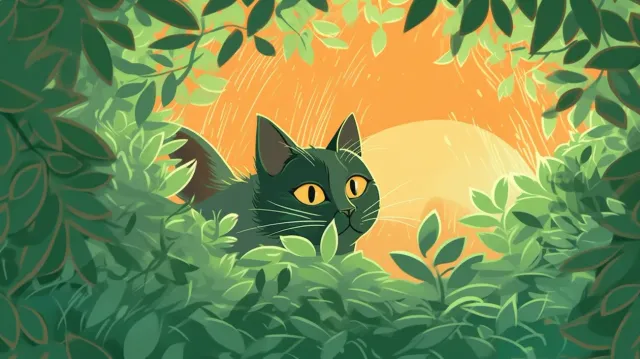
When the mercury rises, cats instinctively look for cool, shaded areas to escape the heat. They'll try to find spots that offer relief from the blazing sun, and if they're missing, you'll need to know where to look for them. Here are some common hiding spots where cats might seek refuge during hot weather:
- Under bushes or dense foliage: These areas can provide natural shade and a cool place to rest.
- Inside garages, sheds, or other outbuildings: These structures can offer cooler temperatures and protection from the sun.
- Under cars or other vehicles: Cars can cast large shadows, providing a shady spot for cats to hide.
- In cool, damp areas, like near water sources or in the shade of trees: These locations can be significantly cooler than the surrounding environment.
- In crawl spaces, under porches, or in other shaded areas around your home: Cats may seek shelter close to home if they can find a suitable spot.

Increased Thirst and Dehydration Risks
As the mercury soars, your cat's need for water also increases. Hot weather can cause them to become dehydrated more quickly, and it's essential to monitor their water intake and look for any signs that they might not be getting enough fluids.
- Signs of dehydration in cats:
- Lethargy or weakness: A dehydrated cat may be less active than usual.
- Sunken eyes: This can be a sign of fluid loss.
- Dry, tacky gums: Healthy cat gums should be moist and pink.
- Loss of skin elasticity: Pinch your cat's skin gently; it should spring back quickly when released.
- Decreased urination: Monitor your cat's litter box usage for changes.
- Panting: Cats usually pant to cool themselves when they're overheated or dehydrated.

Hot weather can cause cats to become dehydrated more quickly.
Altered Sleep Patterns
Cats are known for their love of napping, and hot weather can further impact their sleep patterns. As the temperature rises, your kitty might become more nocturnal, seeking the cooler nighttime hours to be active. This change in behavior can make it more challenging to keep track of them and could contribute to their disappearance.
If you're struggling to find your cat during the night, it may be helpful to learn how to find a lost cat at night.
Heatstroke in Cats: Symptoms and Treatment
Heatstroke is a serious concern for our furry friends during hot weather. When a cat's body temperature rises too high, it can lead to dangerous complications. Heatstroke can also be a reason why your cat goes missing, as they might be trying to find relief from the heat. Learn more about the top reasons why cats go missing to better understand their behavior.
Symptoms of Heatstroke in Cats
- Panting or open-mouthed breathing: Cats may pant to cool themselves, but excessive panting can be a sign of heatstroke.
- Excessive drooling: This can be a sign of overheating and discomfort.
- Bright red gums and tongue: Healthy cat gums should be pink, not red.
- Rapid or irregular heartbeat: This can indicate distress and overheating.
- Weakness or unsteady gait: Cats suffering from heatstroke may struggle to maintain their balance.
- Vomiting or diarrhea: Gastrointestinal upset can be a sign of heat stress.
- Lethargy or unresponsiveness: Severe heatstroke can cause a cat to become unresponsive.
Heatstroke is a serious concern for cats during hot weather.
Treating Heatstroke in Cats
- Move your cat to a cooler area immediately, such as an air-conditioned room or a shaded spot outdoors.
- Offer your cat cool (not cold) water to drink, but don't force them to drink if they're not interested.
- Apply cool, wet towels or washcloths to your cat's fur, focusing on their paws, groin, and neck. Avoid using ice or ice-cold water, as it can constrict blood vessels and slow down the cooling process.
- Use a fan to help circulate cool air around your cat.
- Monitor your cat's body temperature with a rectal thermometer. Aim to lower their temperature to around 103°F (39°C).
- Once your cat's temperature has stabilized, contact your veterinarian for further advice and follow-up care. If your cat has gone missing during hot weather, check out our guide on how to find a lost cat outside for expert tips on locating your furry friend.

The Effect of Hot Weather on a Cat's Appetite
During sweltering summer days, it's not uncommon for your cat to lose their appetite. The heat can make them feel sluggish and less inclined to eat. A change in appetite might affect their behavior, making them more likely to wander off in search of cooler places. It's essential to keep an eye on your cat's eating habits and ensure they're getting enough nutrition during hot weather.
Tips for Finding a Cat Missing in Hot Weather
Taking quick action when your cat is missing in hot weather is essential. The following advice on search strategies and techniques will increase your chances of finding your beloved pet.
Expand Your Search Radius
Cats may wander farther than usual in search of water or shelter during hot weather. Expanding your search area can help you cover more ground and potentially locate your missing cat. Discover how far do cats go when they run away to assist in your search.
Checking Local Shelters and Vet Offices
Don't forget to contact local shelters and vet offices. There's a chance your cat has been found by someone else and taken there for safety. Use our essential guide and checklist for reporting a missing cat to ensure you're taking all the necessary steps.
Leverage Social Media and Community Resources
Using social media and community resources, such as neighborhood groups and lost pet websites, can help spread the word about your missing cat. The more people who know, the better the chances of finding your furry friend. Check out these Facebook tips for spreading the word effectively to optimize your search.
Don't Forget to Search at Night
Keep in mind that cats may be more active during the cooler nighttime hours. Searching for your missing cat at different times of day increases the likelihood of finding them.
How to Approach a Frightened Cat That's Been Missing in Hot Weather
If you're lucky enough to spot your cat during your search, they may be frightened or disoriented from their time away. Here are some tips to help you approach them safely and minimize stress:
- Stay calm and quiet: When approaching your cat, remain calm and speak in a soft, gentle voice. Avoid making sudden movements or loud noises, which could scare them further.
- Get down to their level: Crouch down or sit on the ground to appear less threatening to your cat. This can help them feel more at ease and be more receptive to your presence.
- Offer food or treats: Bring along some of your cat's favorite treats or a bit of wet food. This can help entice them to come closer, and it's also a great way to reward them for returning to you.
- Use a familiar item: If possible, have something familiar with you, like a blanket or a toy, that carries your scent. This can help reassure your cat that they're safe and in friendly company.
- Give them space: Don't force your cat to come to you. Instead, give them the chance to approach you on their terms. If they seem hesitant, try backing away slightly and allowing them to come closer at their own pace.
Stay calm and quiet when approaching a frightened cat that's been missing in hot weather.
For more detailed advice on how to get a lost cat to come home, explore our step-by-step plan.
Preventing Your Cat from Going Missing in Hot Weather
While it's important to know how to find a cat missing in hot weather, prevention is always the best strategy. Here are some tips to help you keep your cat safe and comfortable during the warmer months:
Provide Access to Fresh Water and Cool Shelter
Ensuring your cat has plenty of fresh water and cool spots to rest is crucial during hot weather. Consider these ideas for creating cool resting areas for your cat:
- Provide multiple water sources: Place several bowls of fresh water around your home, both inside and outside, to encourage your cat to drink more.
- Offer a cooling mat: Cooling mats, which can be found at pet stores, help regulate your cat's body temperature and provide a comfortable place for them to rest.
- Use fans or air conditioning: Keep your home cool with fans or air conditioning, and make sure there are spots near these cooling sources where your cat can lounge.
- Create shaded areas: If your cat spends time outdoors, provide shade with umbrellas, awnings, or large leafy plants.
- Encourage use of cooler surfaces: Tile or linoleum floors can be much cooler than carpet, so encourage your cat to rest on these surfaces by placing a soft blanket or cushion on them.
Cats can't sweat like humans and rely on other methods to regulate their body temperature.
If your cat does go missing, you can use our comprehensive guide on what to do if you can't find your cat and tips on how to spread the word effectively using Facebook.
Secure Windows and Doors
Securing your windows and doors is crucial to prevent your cat from escaping during hot weather. With the heat outside, your curious furball might be tempted to explore, so take these precautions:
- Install window screens: Fit screens on all windows that you plan to open. Make sure they're tightly secured and check for any gaps or damage that might allow your cat to slip through.
- Check door latches: Ensure that all door latches and locks are functioning properly. Sometimes, cats can be quite clever in opening doors that aren't secured tightly.
- Use pet-proof door guards: Consider installing door guards to keep your cat from squeezing through partially open doors.
- Educate family members and guests: Make sure everyone in your household is aware of the importance of keeping doors and windows closed, especially during hot weather. Teach children to be cautious when entering or exiting the house, and remind guests not to let your cat slip out. To understand more about why cats might escape, check out common reasons for cat disappearance.

Use a Collar with ID Tags
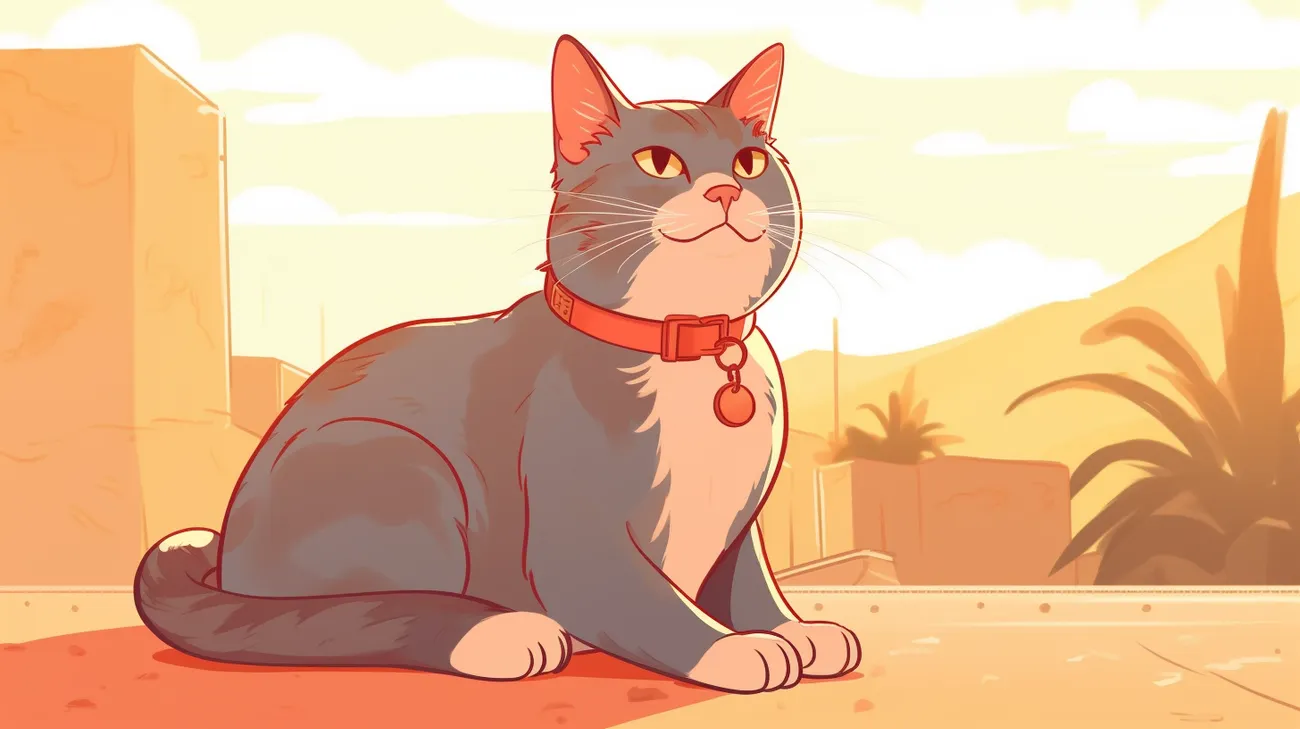
Using a collar with ID tags is an essential step in helping others identify and return your cat if they are found. A visible collar and tag can also deter potential cat thieves. Here are some tips for choosing the right collar and ID tag:
- Opt for a breakaway collar: Breakaway collars are designed to release if your cat gets snagged on something, preventing injury. Make sure the collar fits snugly but comfortably, with enough room to slip two fingers between the collar and your cat's neck.
- Include essential information: The ID tag should display your cat's name, your phone number, and any important medical information (e.g., if your cat requires daily medication). Remember to keep the information up to date.
- Consider adding a microchip: In addition to a collar and ID tag, consider microchipping your cat for an extra layer of protection. This permanent form of identification can be scanned by most shelters and vet offices, helping reunite you with your cat even if they lose their collar.
Preventing Escapes During Summer Parties and Gatherings
Hosting summer events can be fun, but it's important to keep your cat's safety in mind. Taking a few extra precautions can ensure that your furry friend stays safe and secure. Here's a list of precautions to take during summer parties and gatherings:
- Inform your guests: Let your guests know about your cat, and kindly ask them to be mindful when entering or exiting your home to avoid accidental escapes.
- Designate a safe room: Set up a quiet, comfortable room for your cat with food, water, and a litter box. Keep the door closed to prevent your cat from wandering into the party area.
- Check on your cat periodically: Visit your cat throughout the event to ensure they're comfortable and not stressed. If they're feeling calm, you can even offer a few reassuring pets.
- Use baby gates or barriers: Set up baby gates or barriers to limit your cat's access to certain areas of your home, like open doors or windows.
- Consider a temporary ID tag: If you're hosting an event, consider attaching a temporary ID tag to your cat's collar with your phone number, just in case they manage to slip out unnoticed. If your cat does go missing, read our guide on how to find a lost cat outside.

Creating a Cat-Safe Outdoor Enclosure for Hot Weather
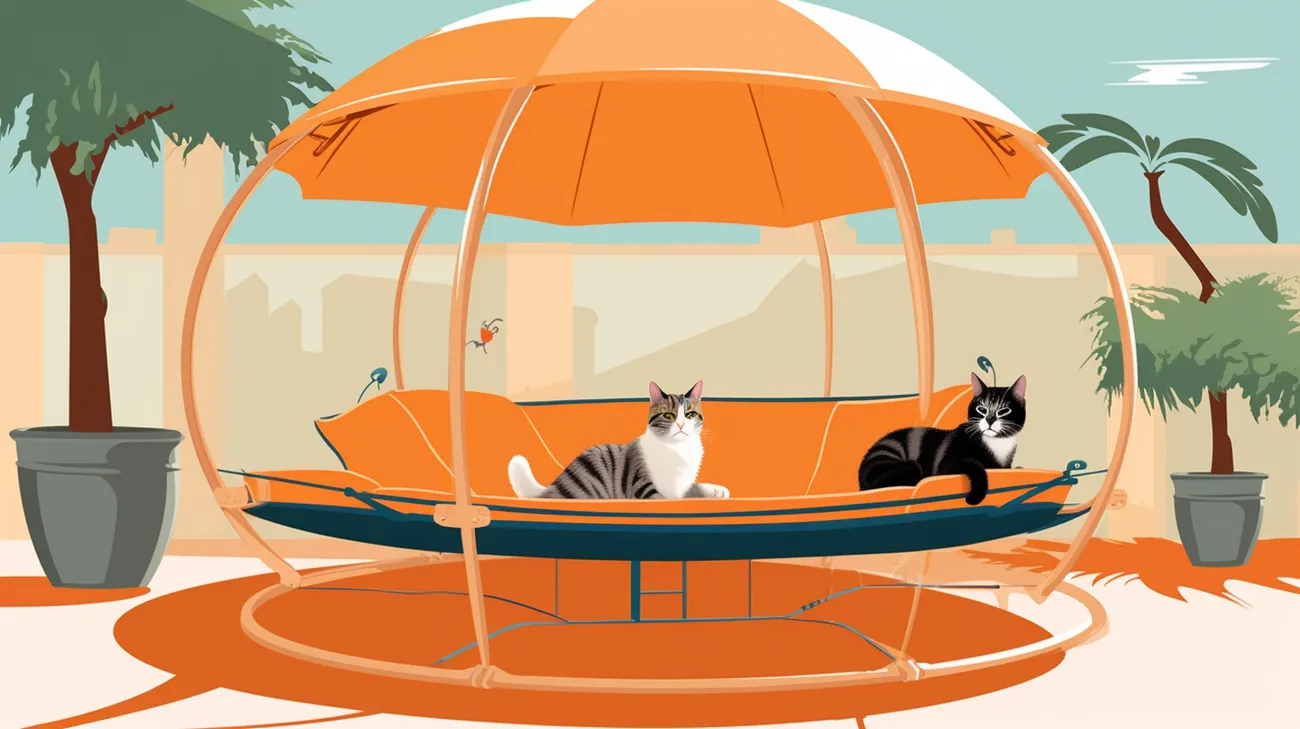
Providing a safe outdoor space for your cat during hot weather can keep them entertained while minimizing the risk of them going missing. Here's a list of tips for creating a cat-safe outdoor enclosure:
- Choose a shady location: Make sure the enclosure is located in a shady area to protect your cat from excessive heat and sun exposure.
- Secure the perimeter: Ensure the enclosure has sturdy walls and a secure roof to prevent escapes and protect your cat from potential predators.
- Add enrichment items: Include scratching posts, platforms, and hiding spots to keep your cat entertained and comfortable. Learn more about cat hiding places to ensure your cat has a variety of options.
- Provide fresh water and shelter: Offer a constant supply of fresh water and a sheltered area for your cat to escape the sun and heat.
- Regularly inspect the enclosure: Regularly check the enclosure for any potential hazards, such as sharp edges, loose wires, or broken latches. To keep your cat safe from getting lost or injured, read our article on why cats run away and how to prevent it.
Adjusting Your Cat's Daily Routine During Hot Weather to Minimize Risks
Adapting your cat's routine during hot weather can help prevent escapes and keep them safe. Consider the following suggestions for adjusting your cat's daily routine:
- Limit outdoor time during peak heat hours: Schedule outdoor playtime in the early morning or evening when temperatures are cooler.
- Offer indoor activities: Encourage your cat to play and exercise indoors with interactive toys and games. If you need ideas, check out our how to find a cat in your house article for suggestions.
- Monitor your cat's comfort: Keep an eye on your cat for signs of overheating or discomfort, and adjust their activities accordingly.
- Change feeding times: Consider adjusting your cat's feeding schedule to coincide with cooler hours of the day.
- Keep a consistent routine: Establish a consistent daily routine to help your cat feel secure and prevent them from seeking new adventures outside. If your cat has recently gone missing and returned, learn about what to do after your cat comes back.
A consistent daily routine helps your cat feel secure and prevents them from seeking new adventures outside.

FAQ
Conclusion
In conclusion, understanding how hot weather affects your cat's behavior is crucial for preventing them from going missing and for finding them if they do. Keep your cat safe by providing ample water, cool resting areas, and a secure environment. If your cat goes missing, act quickly, utilize various search strategies, and stay hopeful. We wish you the best of luck in reuniting with your beloved cat. To learn more about lost cat behavior, read what to know when your cat goes missing.