

Key takeaways
- We've collaborated with Pet Poison Helpline® to help spread the message about toxic food for dogs and how to care for our furry friends.
- There are plenty of foods that can be toxic for dogs, and it's essential that as many owners as possible know these dangers.
- If your dog has been poisoned, there are 4 main steps to take: don’t panic, be proactive, get professional advice, and ignore misinformation.
- Pet Poison Helpline® offers 24/7 support for owners who need help and advice for every pet.
Toxic food for dogs
Many human foods can make a great occasional treat for our dogs, but avoiding large quantities and sticking to small doses is important.
It's also essential to know what to avoid feeding your dog and what foods, even in small quantities, can lead to life threatening illness.
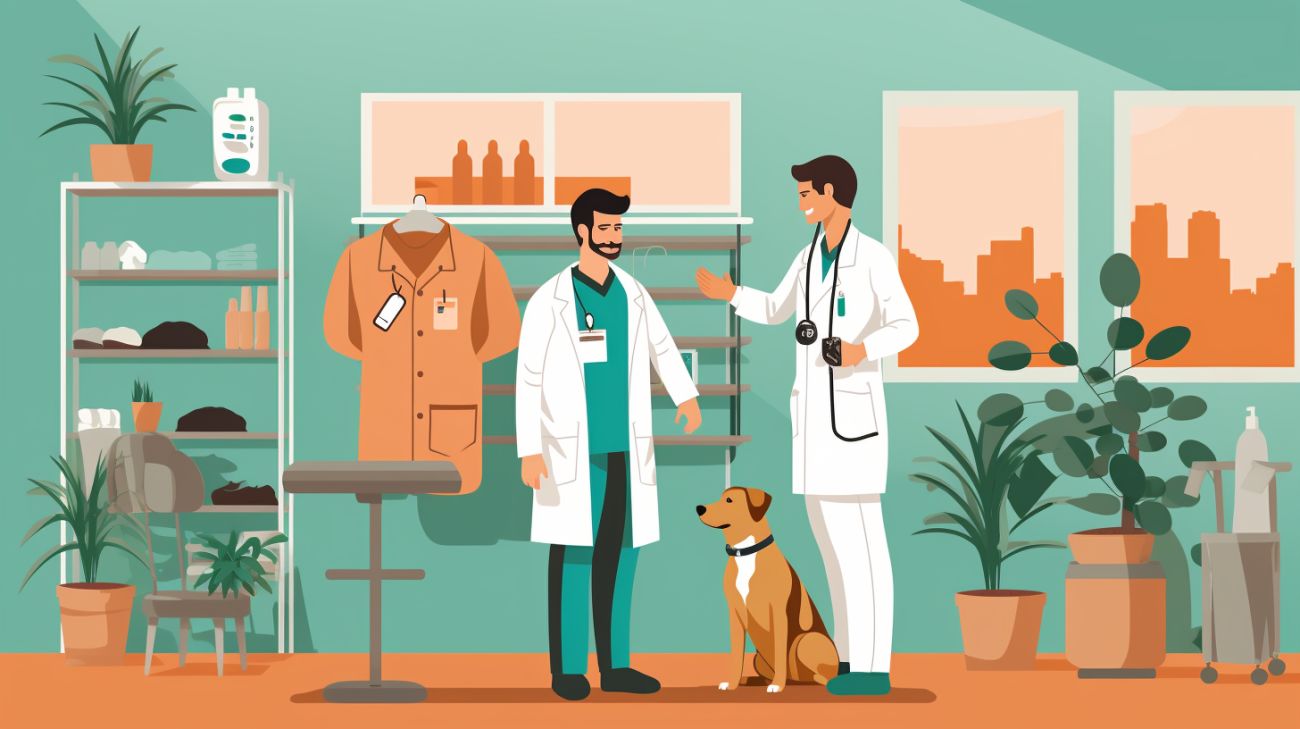
We'll start by listing all the toxic food and ingredients for dogs so you know what to avoid when sneaking your pup some tasty treats:
- Milk chocolate
- Dark chocolate
- White chocolate
- Garlic
- Onion
- Corn on the cob
- Avocado
- Grapes and raisins
- Alcoholic drinks
- Raw bread dough
- Chewing gum
- Macadamia nuts
- Energy drinks
- Xylitol (an artificial sweetener found in sugar free gum and other sugar free foods)
- Raw potatoes
- Raw eggs
- Too much salt
- Potato chips and other salty foods
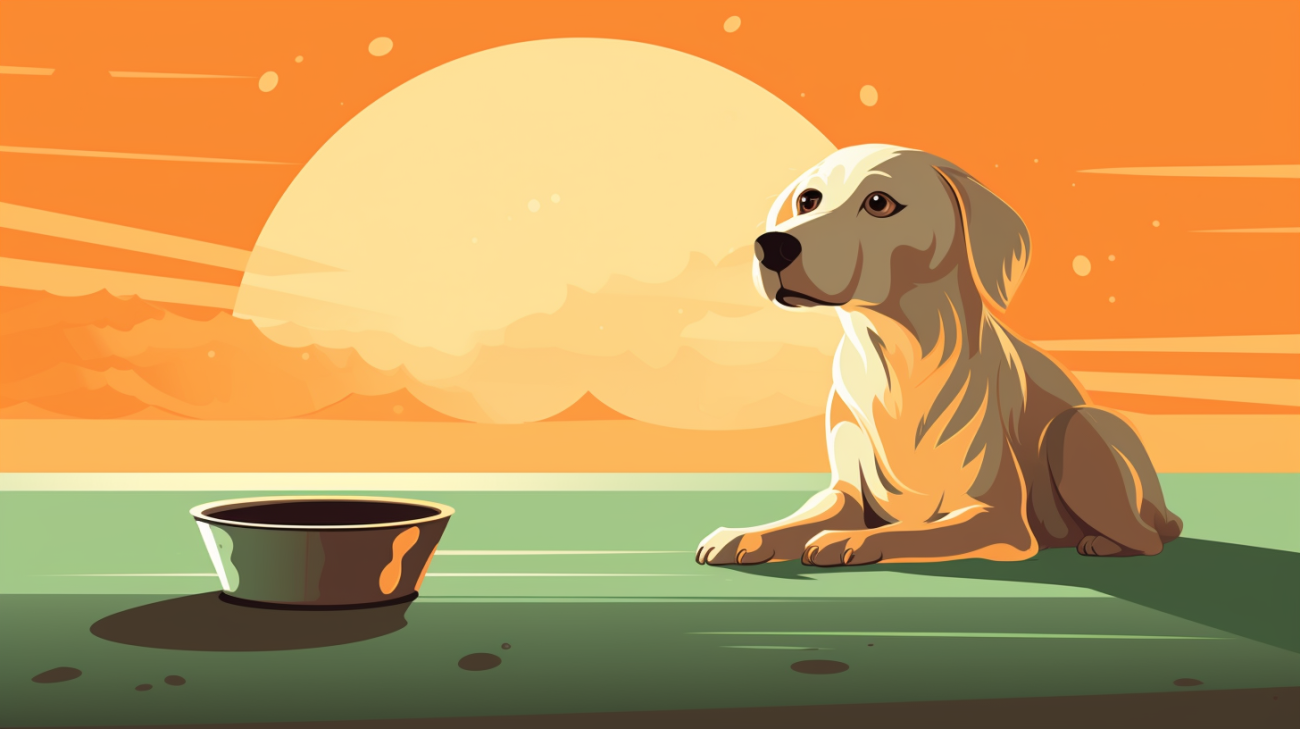
What to do if your dog is poisoned
Did your pet potentially get into something they shouldn’t when they ran away, and you’re not sure what to do? Even the most cautious pet parent and obedient pet can find themselves in trouble with a potentially toxic exposure.
When this happens, it can be a frightening experience for everyone. If a pet finds its way out of their normal environment, there is always a risk of the unknown when it comes to a potential exposure.
To help with this, Pet Poison Helpline®, an animal poison control center open 24 hours a day 7 days a week, has put together a few tips to make these uncertain moments more manageable.
1. Don't panic
If your pet has been exposed to something potentially harmful to them, the first step is not to panic! Keeping a clear and calm mind will help you gather as much information regarding the situation as possible, which will enable your pet to get the appropriate care they need.
2. Be proactive
To be proactive and keep your pup safe, follow the additional steps below:
- Gather any remaining product to ensure continued exposure does not occur.
- If the exposure was on the skin/haircoat, rinse the area and bathe with a liquid degreasing dish soap to minimize absorption through the skin or ingestion by licking the area.
- Find product packaging, if available, and have the product name, ingredients, strength, and quantity information available.
- If your pet was potentially exposed to something while they were missing from their home, it is usually impossible to gather the above information. Collecting as much information as possible about the area they were missing from, how long they were gone, and where they were found can often be helpful in piecing together potential exposures, especially if clinical signs are already present.
3. Get professional advice
Call your veterinarian or Pet Poison Helpline® to describe the exposure and provide the information listed above, making note of:
- The time
- Amount
- The type of exposure (ingested, inhaled, or contact through the skin or eyes)
Your veterinarian and Pet Poison Helpline® can help determine if there is a concern for your pet and if they need to be evaluated and treated at a veterinary clinic or if home care is possible.
4. Ignore misinformation
When navigating through a scary situation, it is important to obtain accurate and reliable information.
It is common for misinformation to be found on the internet, so utilizing your veterinarian or the toxicology experts at Pet Poison Helpline® will help to ensure your pet’s situation is handled correctly.
For example, here are two misconceptions about common foods that are considered poisonous to most dogs:
- Raw meat is poisonous: Raw meat is not poisonous for most dogs, but it may cause an upset stomach in large quantities. If you're considering a raw meat diet for your pup, make sure you do your research!
- Apple seeds are poisonous: While apple seeds do contain a very, very small amount of cyanide that is toxic to dogs (and humans), your pup will have to swallow at least a thousand to be poisoned, so they aren’t in immediate danger.
At home care should not be performed without the direction of your veterinarian or Pet Poison Helpline®. There is a one-time consultation fee per incident, and all follow up calls that may be needed are included in the one fee.
“Even if your veterinarian is not available, the toxicology experts at Pet Poison Helpline® can be reached at 1-800-213-6680 and are always here to help if the unthinkable happens.”
What can happen if your dog eats dangerous foods?
Our dogs eat just about anything they can get their paws on. This means walks can be full of tempting human food that's been thrown away or left on the street.
To understand the dangers of other foods, pet owners need to understand what can happen if their dogs ingest anything toxic.
Kidney failure
Ingesting toxic foods can damage your dog's kidney cells (source.)). This may mean that they struggle to function properly.
This means the production of red blood cells will slow down, your pup will struggle to regulate their hydration, and the removal of toxins will slow down.
This can then lead to kidney failure, which is a very serious condition, and even death.
Signs of kidney failure and lack of red blood cells in dogs include:
- Drinking too much and producing too much urine
- Weakness from the lack of potassium in the blood
- Depression from the increase of waste in the blood
- Weight loss
- Blood in urine
- Vomiting
- Decreased appetite

Your dog's blood sugar may drop
Certain human foods, like artificial sweeteners, can cause a drop in your dog's blood sugar, which is called hypoglycemia (source. This is because a dog's digestive system will recognize the sweetener as real sugar and then produce more insulin.
This insulin will remove any real sugar in your dog's system. This can lead to more serious conditions like liver failure.
Signs of hypoglycemia in dogs include:
- Disorientation
- Muscle tremors
- Vomiting
- No appetite
- No energy
- High body temperature

Mild stomach upset
Often, potentially harmful foods for dogs will just cause some irritation to your dog's stomach. This means you'll normally see:
- Some vomiting
- Some diarrhea
- Lack of energy
- Lack of appetite
If your dog's upset stomach seems mild, you can normally look after them at home. However, if anything changes and they become more severely ill, take them to a vet immediately.
Here are some ways you can look after your sick pup:
- Offer them ice cubes: If they are vomiting, they may struggle to hydrate themselves. Lots of water may make them even more sick, whereas ice cubes can be an attractive alternative.
- Fasting: Not feeding your dog for 24 hours can speed up their recovery time.
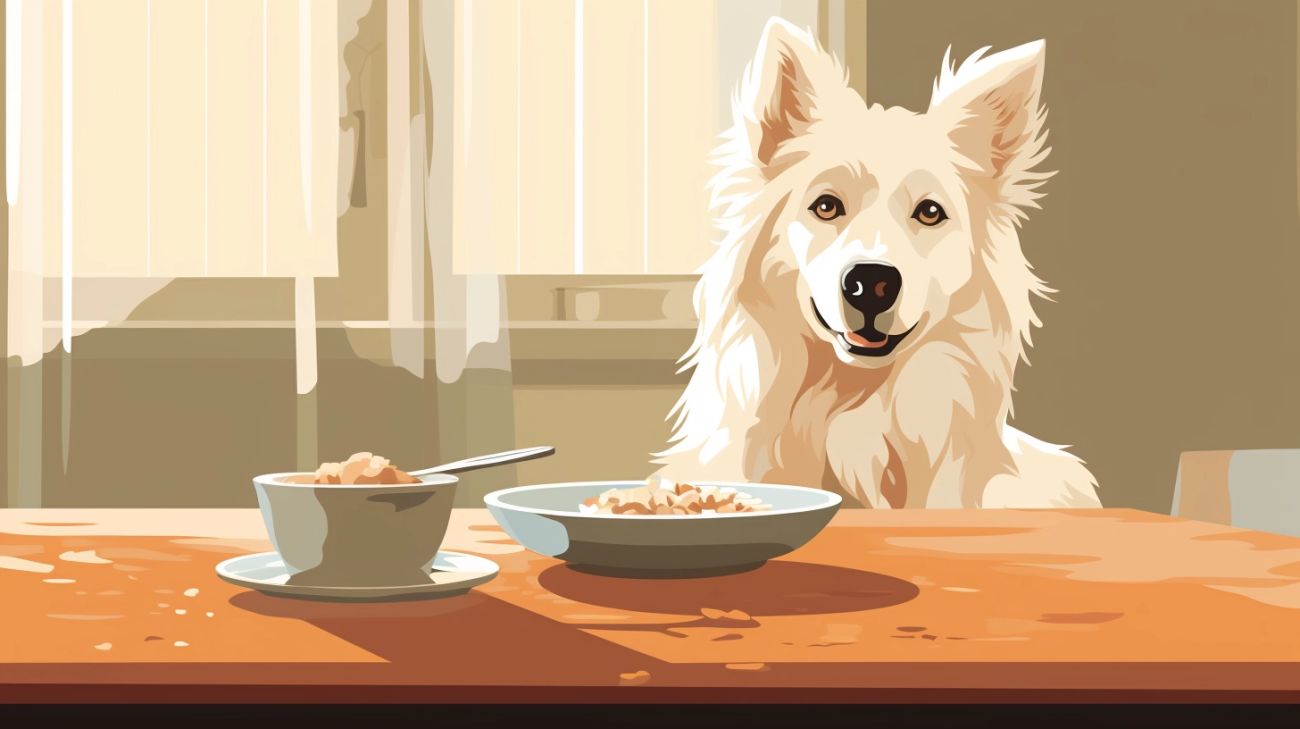
- Bland food: When you are feeding them, stick to bland foods like rice and chicken instead of fatty foods to make sure you don't irritate their stomachs even more.
- Rest: Make sure your dog is well rested, as this will help them recover. Sit with them and comfort them, but don't demand any attention, take them for walks, or try playing with them.
If your dog's upset stomach seems mild, you can normally look after them at home. However, if anything changes and they become more severely ill, take them to a vet immediately.
FAQs
Final thoughts
Knowing dangerous foods will help pet owners decide on the healthiest foods for dogs to eat. While we've covered the basics that apply to most dogs, it's important to keep an eye on any food allergies your pup may have. Look out for any signs of an upset stomach and take them to the vet to get them checked out.
The more we know, the better pet parents we become! And remember, the Pet Poison Helpline® is always available to give advice and help you in difficult situations.